Indoor and outdoor LED applications
Lighting façades and landscapes: restraint and direction
Why the angle of light matters more than its power, and how to light a building without flooding it.
By Luz Light · 4 min read
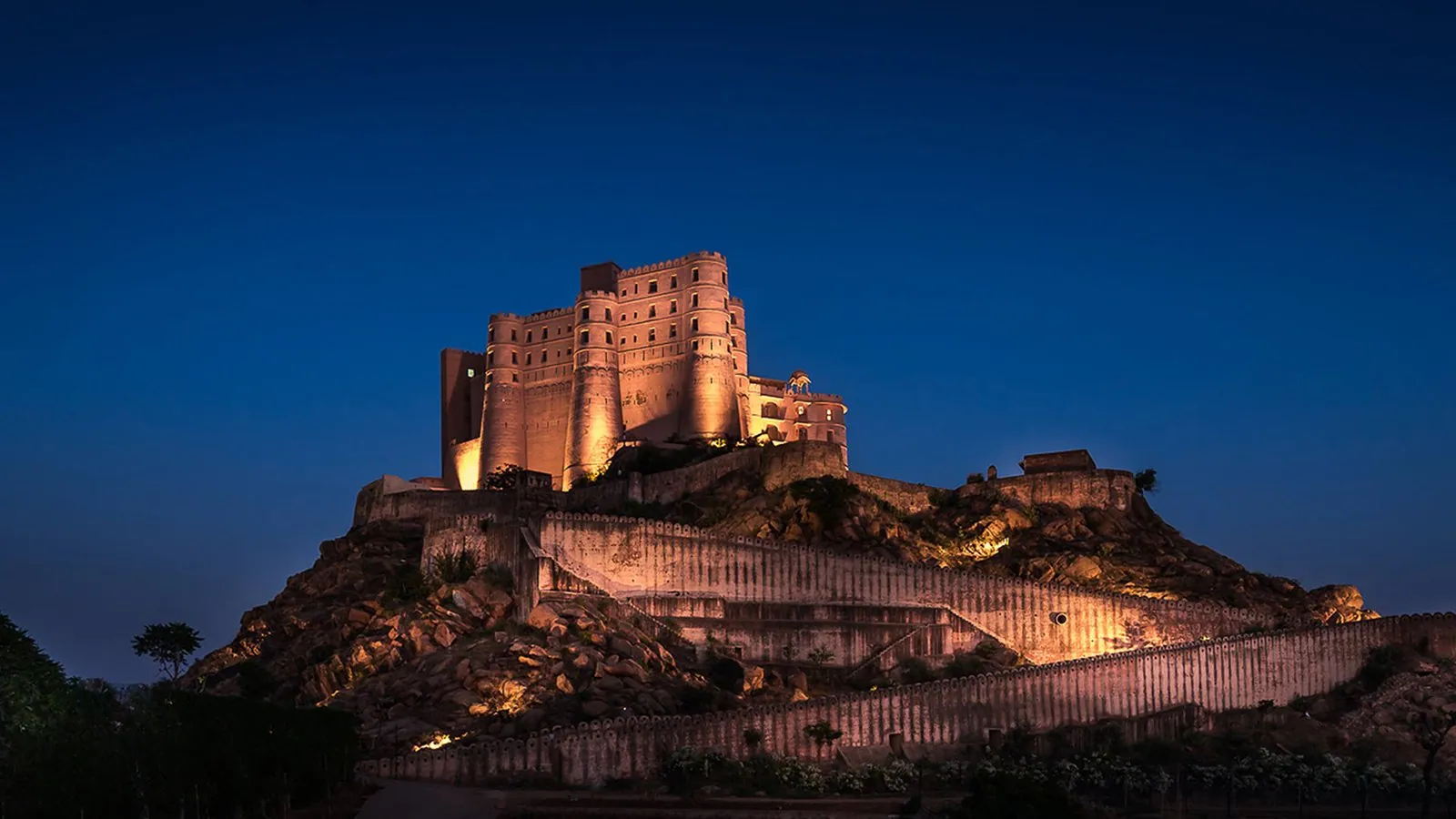
A well-lit façade holds the eye without shouting. The best outdoor lighting schemes are usually the quietest: they light the things that matter and let the rest fall into shadow.
Direction shapes what we see
Light that skims close to a surface (grazing) emphasises texture and relief, which is ideal for carved stone and rough masonry. Light that washes evenly across a wall flattens texture and shows colour. Up-lighting from the base of a column or tree adds height and drama. The same fitting can produce very different results depending on where it is placed and how it is aimed.
Respect the material
Warm light tends to flatter sandstone, brick and timber, while cooler light suits glass and metal. Matching colour temperature to the material gives a more natural result than choosing a single colour for the whole project.
Protect against weather and glare
Outdoor fittings need an ingress-protection (IP) rating suited to where they will be installed. In-ground fittings in particular must keep out water and withstand being walked on. Shielding and careful aiming prevent glare for visitors and light spill onto neighbouring properties.
Less is more
Lighting every surface evenly removes the contrast that makes a building look dramatic. Choosing a few focal points and letting darkness do some of the work usually gives a better, more energy-efficient result.
Planning an outdoor project? Browse outdoor lighting or talk to our team.