Choosing lighting for offices
Choosing lighting for offices: comfort before brightness
Glare, uniformity and screen reflections matter more than raw output. A short guide for planners and facility teams.
By Luz Light · 4 min read
It is tempting to treat office lighting as a numbers exercise: add enough lumens to reach a target and move on. In practice, people judge an office by how comfortable it is to work in, and comfort depends on much more than brightness.
Control glare first
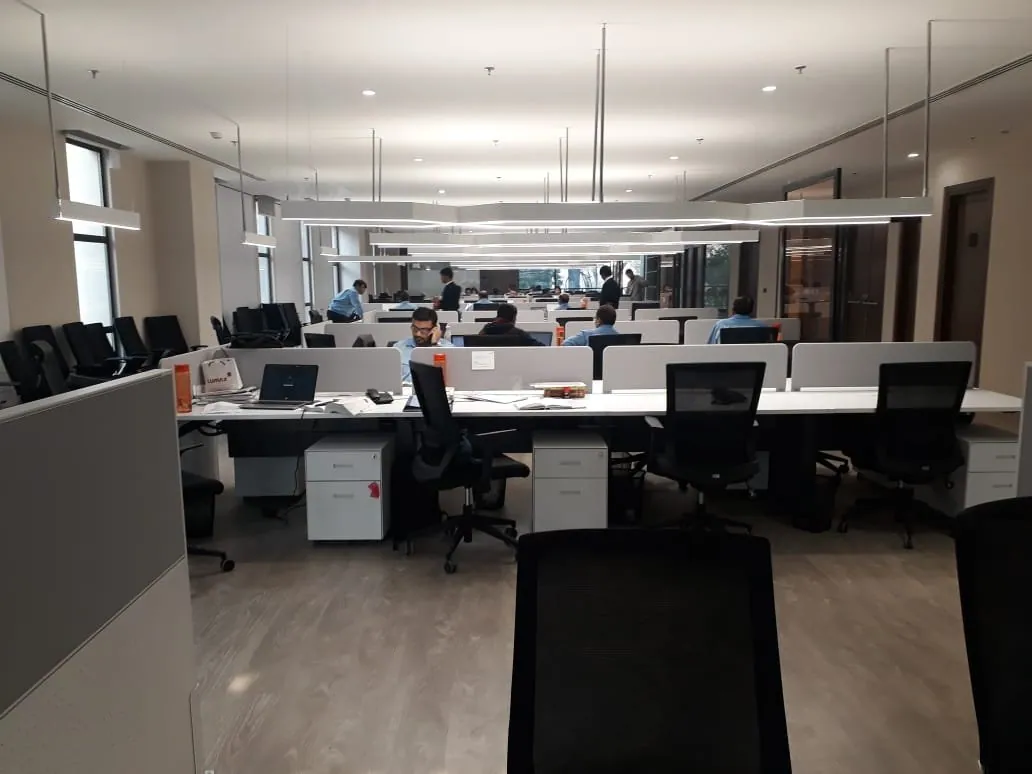
Direct glare from exposed sources and reflected glare on monitors are the main causes of eye strain. Fittings with diffusers, deep reflectors or anti-glare optics keep the light source out of sight lines. Linear luminaires with good diffusion are a popular choice over open-plan desks for this reason.
Aim for even light across the floor
Large variations between bright and dark patches make eyes work harder as people move through a space. Suspended linear runs and carefully spaced recessed fittings help keep the level consistent from desk to desk and from desk to aisle.
Give different spaces different characters
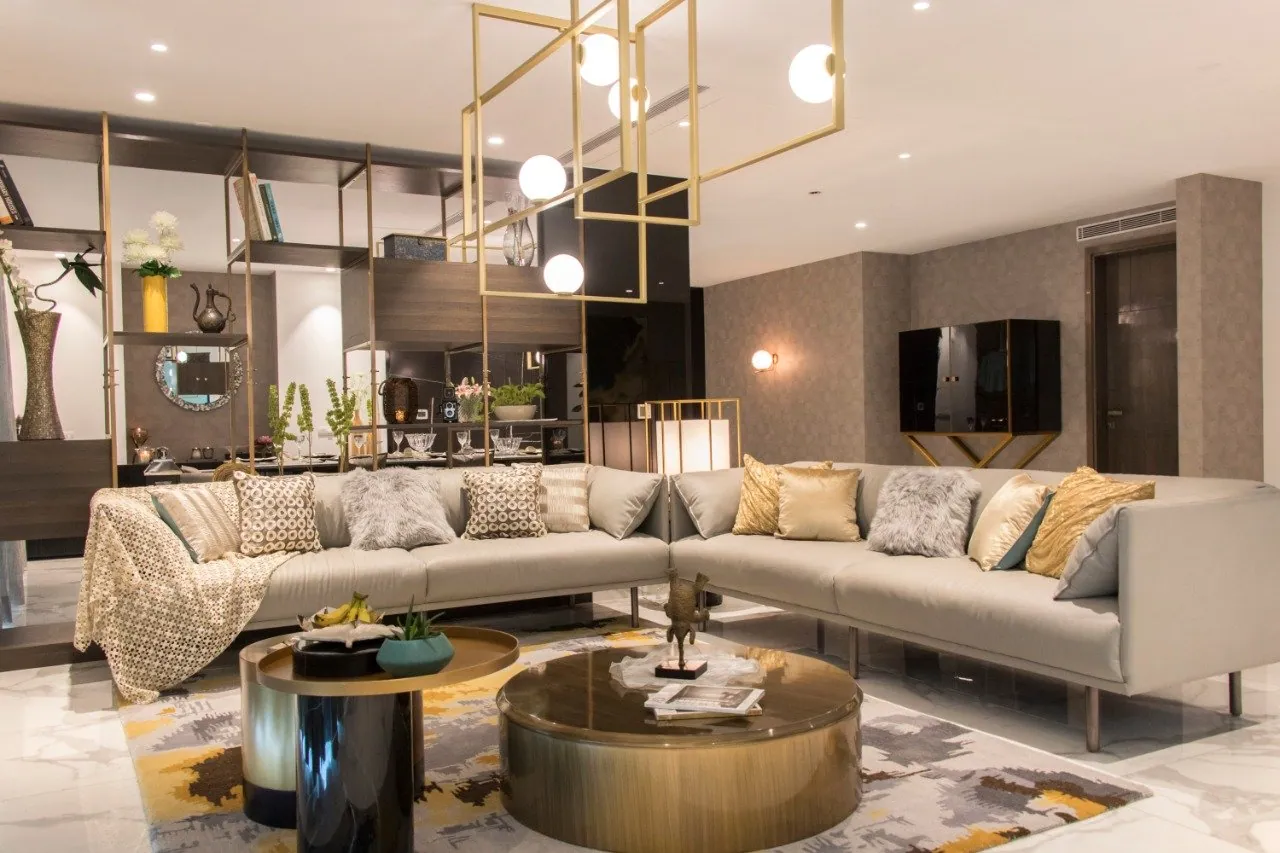
A reception area, a meeting room and a breakout space do not need the same lighting as the work floor. Warmer colour temperatures and accent lighting can make arrival areas and informal spaces feel more inviting.
Plan for control
Dimming and zoning allow the lighting to follow how the office is used, and make it easier to reduce energy consumption when parts of the floor are empty.
For an office project, see our approach to office lighting or discuss your project with our team.