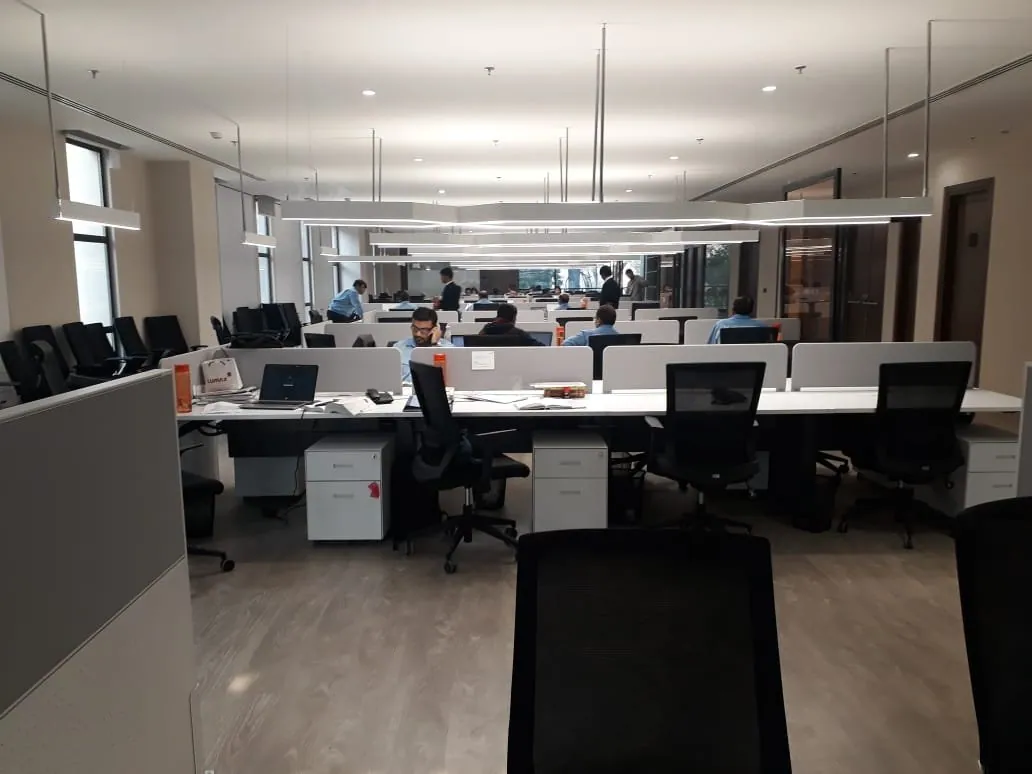
Architectural lighting principles
The three layers of a good lighting plan
Ambient, accent and task light each do a different job. Here is how they work together to make a space feel considered.
By Luz Light · 4 min read
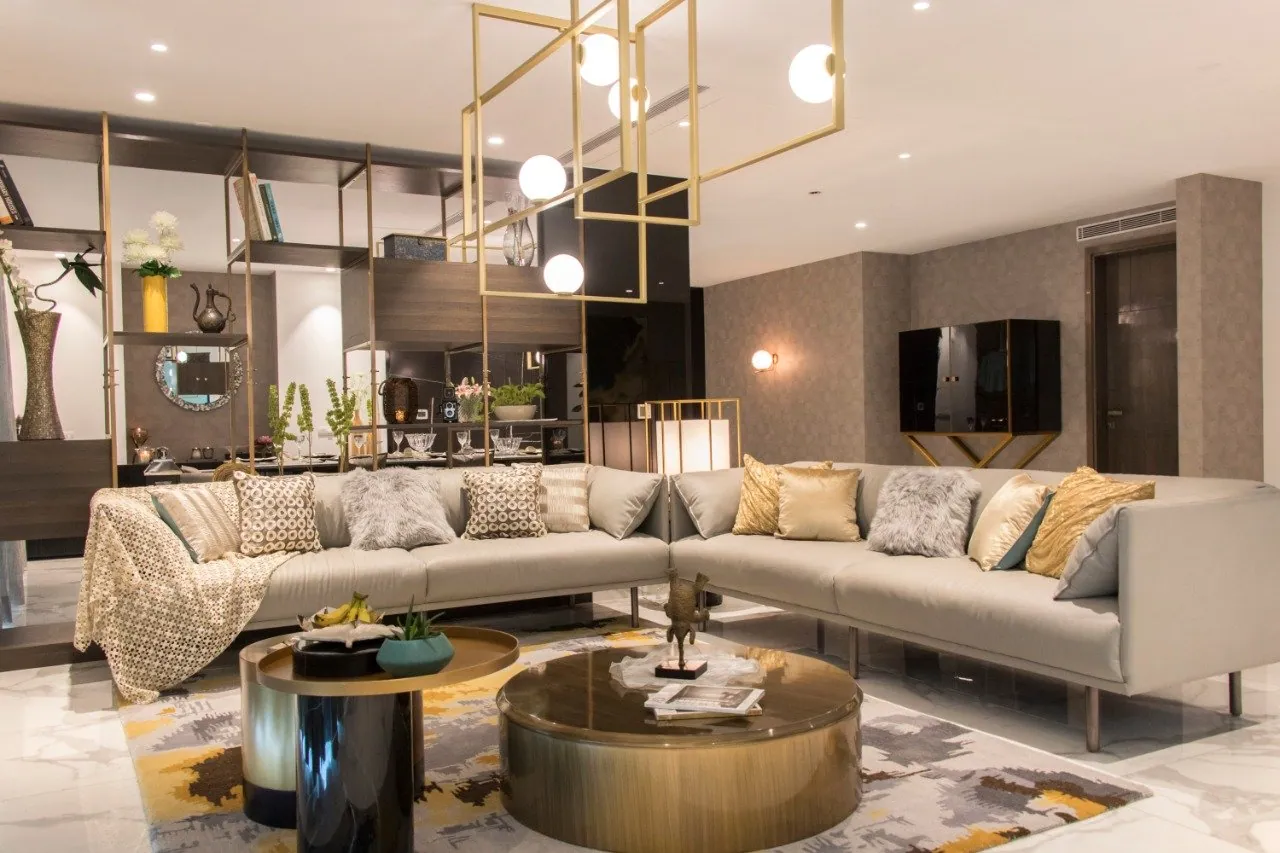
Walk into a room that feels right and you will rarely notice the fittings. What you notice is the effect: a calm level of light, a few things gently highlighted, and enough brightness where you need to see detail. Lighting designers get there by working in layers.
Ambient light sets the foundation
Ambient (or general) light is the overall level of illumination that lets you move around safely and comfortably. In many interiors it comes from recessed downlights, cove lighting or a combination of both. The goal is not to make everything bright, but to make the room feel even and unthreatening.
Accent light adds depth
Accent light draws the eye to something specific: a painting, a textured wall, a sculptural object, a display. It is typically more focused than ambient light and often noticeably brighter than its surroundings. Without it, even a beautiful room can feel flat.
Task light supports what people do
Task light is placed where concentrated attention is needed: over a kitchen counter, beside a reading chair, along a work desk. It should be glare-free and positioned so that people do not cast shadows on their own work.
Why the layers matter
Using only one layer is the most common reason a space feels either harsh or dull. Separate circuits and dimming let each layer be adjusted independently, so the same room can feel energetic at noon and quiet at night.
If you are planning a space and would like to talk through how these layers could work in it, request a consultation.